Exploring Femtum’s Laser Trimming Platform: Achieving Permanent Phase Correction for Advanced Photonic Devices
|

Exploring Femtum’s Laser Trimming Platform: Achieving Permanent Phase Correction for Advanced Photonic Devices

Femtum’s laser trimming platform enables permanent, low-loss phase correction at the wafer level, improving PIC yield, reducing power consumption, and unlocking scalable photonic manufacturing.

The PIC Yield Crisis: Why Wafer Laser Trimming Is the Missing Piece in Scalable Photonics Manufacturing
|

The PIC Yield Crisis: Why Wafer Laser Trimming Is the Missing Piece in Scalable Photonics Manufacturing

Rising PIC complexity is creating a critical yield challenge in photonics manufacturing. Learn how Femtum’s laser trimming technology permanently corrects nanometric errors, boosts wafer-level yield, and removes the reliance on power-hungry thermal tuning, paving the way for scalable, high-performance photonic circuits.

CO₂ Dry Ice Cleaning vs Laser Cleaning: Which one is better for Silicon Photonics?
|

CO₂ Dry Ice Cleaning vs Laser Cleaning: Which one is better for Silicon Photonics?

CO₂ snow cleaning has earned its reputation as a dependable particle remover. It’s fast and dry. No solvents, no rinsing, no drying cycles. Perfect for dust, die saw debris, and some loose organics.
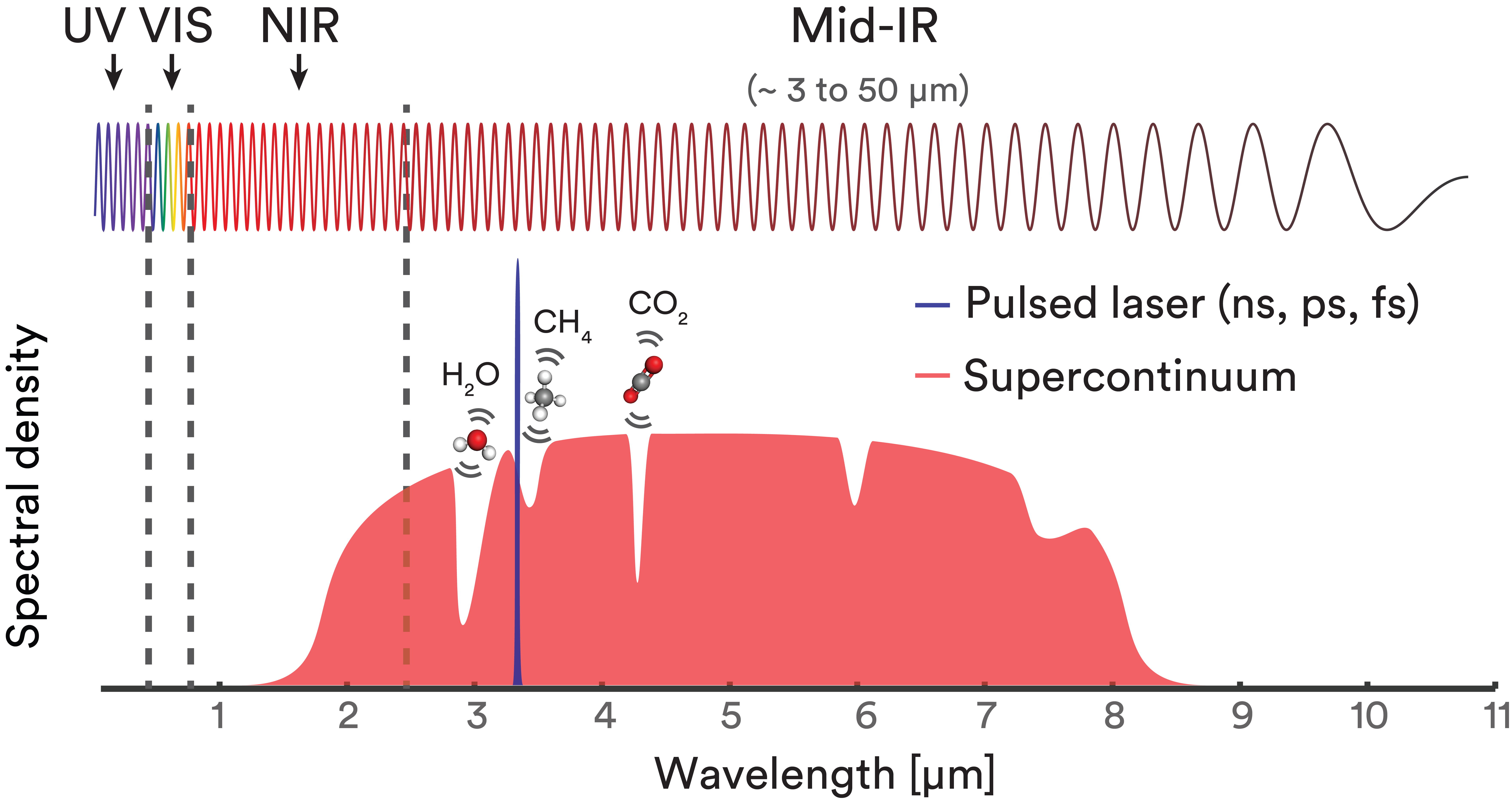
Mid-IR Laser cleaning is different. It is a more precise, targeted solution built for the demands of modern PICs s. Unlike traditional cleaning methods, Mid-IR laser cleaning is based on selectivity at the molecular level. Instead of treating every surface the same, it discriminates based on the optical absorption of the contaminant.

Photonics Integrated Circuit Trimming: The Key for Peak Performance
|

Photonics Integrated Circuit Trimming: The Key for Peak Performance

Photonic Trimming is the operation of changing the phase of optical paths in photonic integrated circuits (PICs). This process recenters the PIC performance to the target or designed value.

FEMTUM has developed a non-contact laser process to perform post-fabrication phase correction of defective PICs, turning known bad dies into known good dies. The process is very fast, with a duration in the milliseconds range, and very well controlled. The laser and optical head are designed to be simply integrated into current semiconductor tools.

Beyond Plasma: Why Laser Cleaning Deserves a Spot in Your Fab
|

Beyond Plasma: Why Laser Cleaning Deserves a Spot in Your Fab

Plasma systems are widely adopted in the industry because they are applicable to a broad range of materials, they can process large batches, they are inherently dry, necessitate vacuum and they can operate in cleanrooms. Mid-IR laser cleaning works differently than plasma cleaning, especially at 2.8µm. Short-pulsed lasers are ideal for high-precision applications: they spatio-temporally limit heat diffusion in the substrate resulting in a very small or quasi-absent heat-affected zone.

Choosing the right optical elements for your mid-infrared laser applications
| |

Choosing the right optical elements for your mid-infrared laser applications

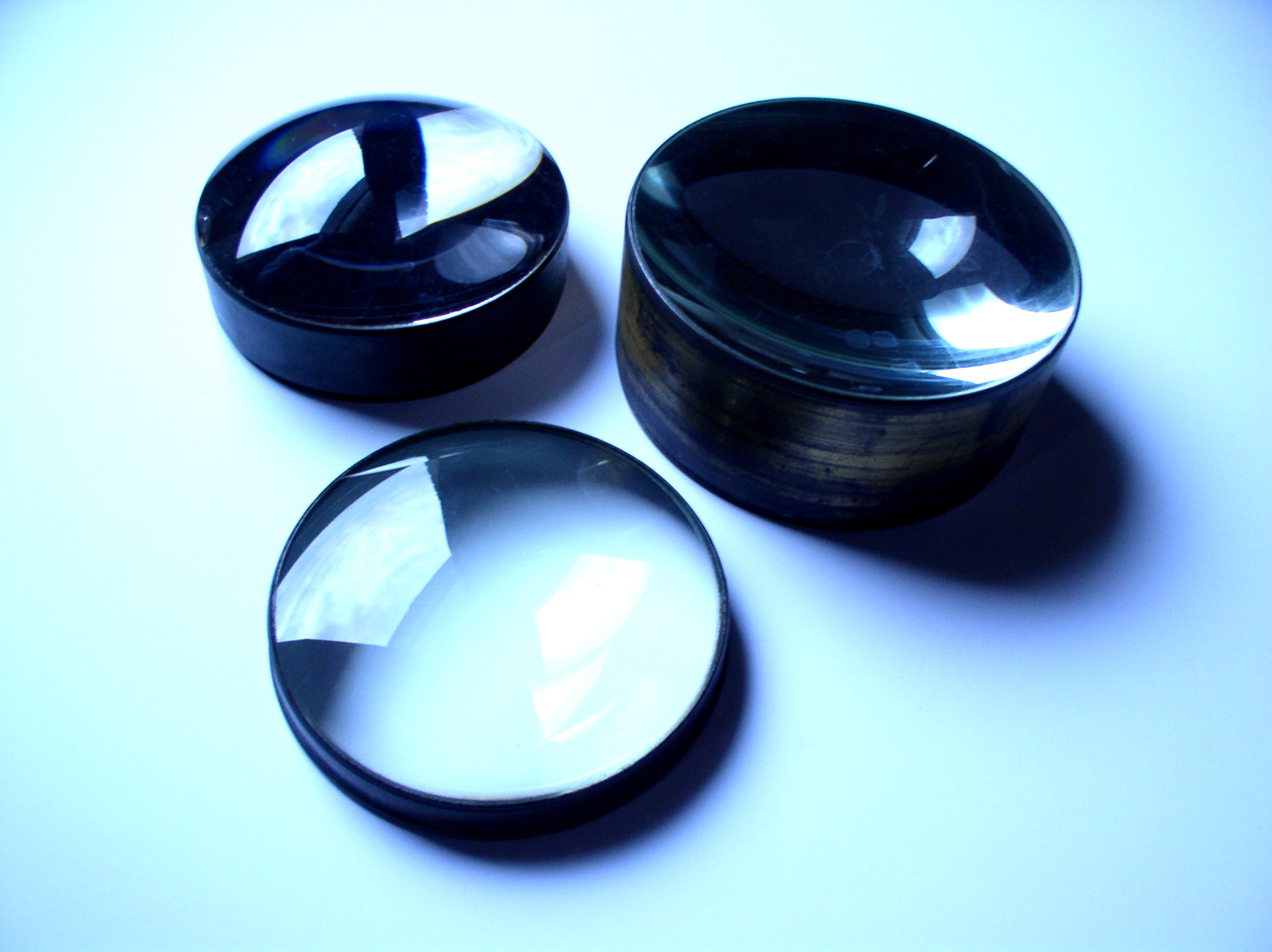
Laser systems operating in near infrared (from 0.75 μm to 1 μm) and short-wave infrared (between 0.9 μm and 2.5 μm) are widely used in many applications. As a result, laser experts are well acquainted with the common optical components such as lenses, windows, beam splitters, mirrors, polarizers and filters. Materials such as fused silica, BK7,…

ITO-processing
|

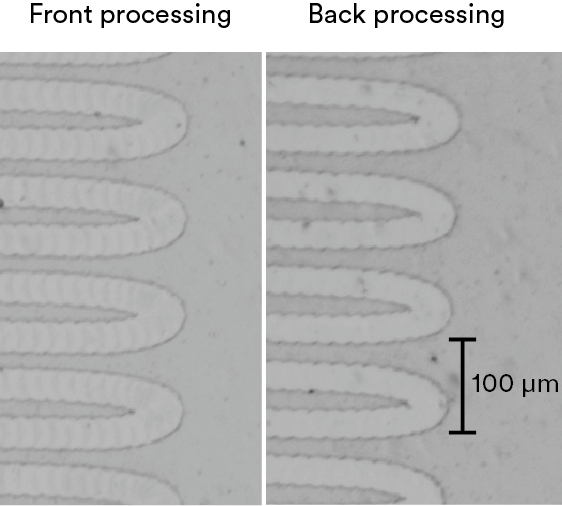
Selective processing Part 2: Thin film patterning on polymer, glass and silicon

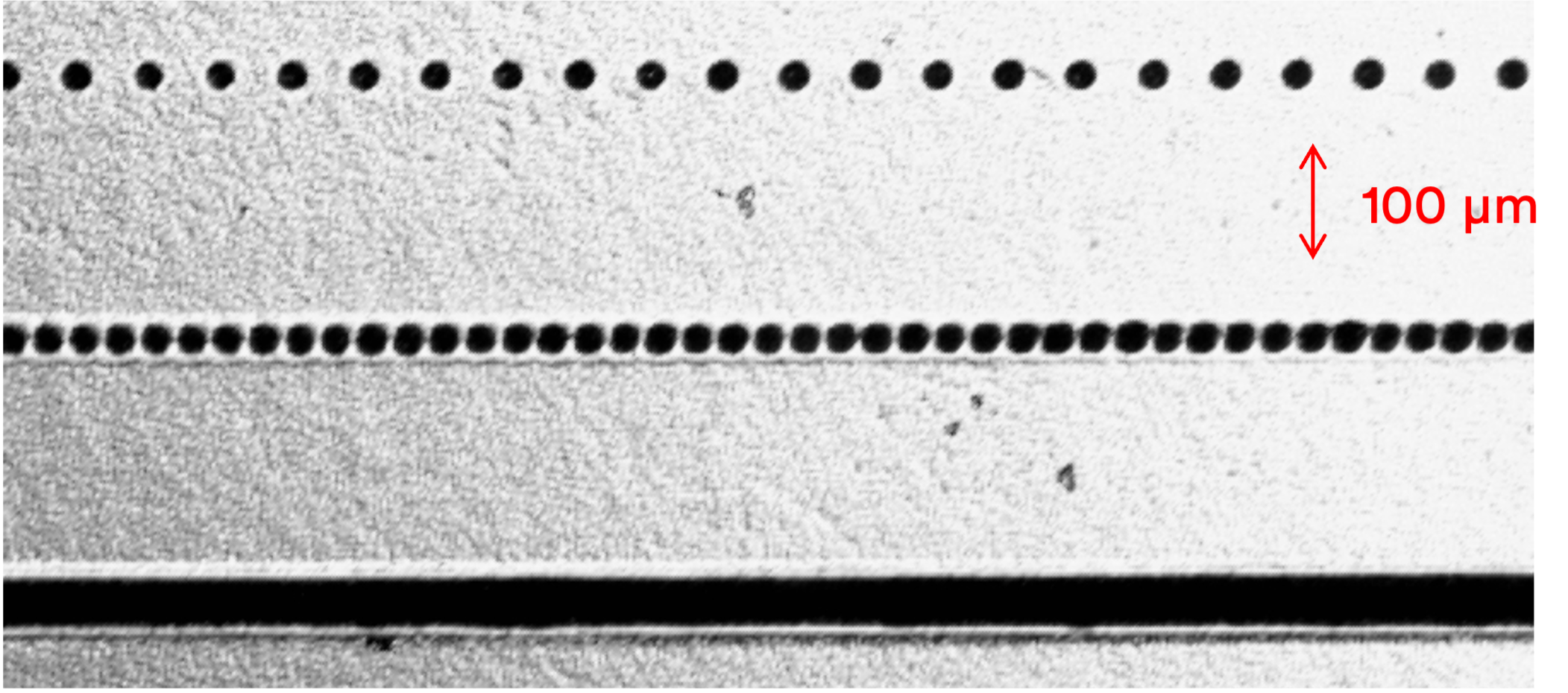
Transparent conducting films (TCFs) are widely used in modern electronic devices like our touch screen displays and monitors. See how Femtum lasers can be of high added value for the efficient patterning of these thin films on various substrates.

Selective laser processing Part 1: Optical fiber laser stripping
|

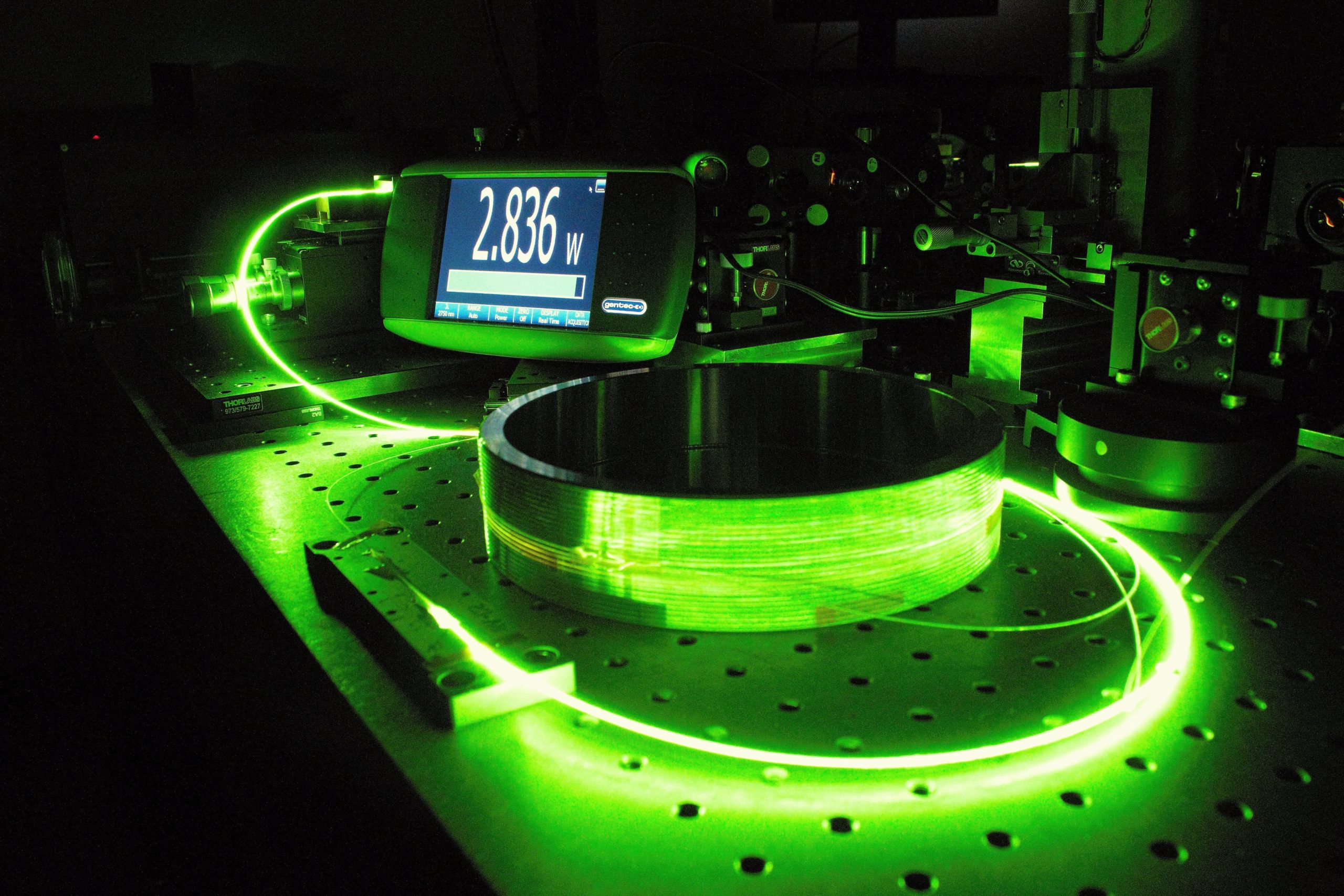
Selective laser processing Part 1: Optical fiber laser stripping

Manufacturing processes are constantly evolving and the complexity of the devices to be produced continues to grow. In the microelectronics, medical, and photonics industries, most devices include a stacking of various layers made of different materials. Each layer must be processed individually to ensure a good performance of the device. This is where selective laser…